
Degenerative Disc Disease Treatment in Portage
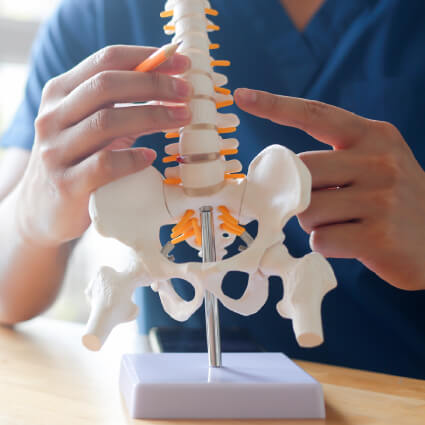 As one of the more complex spinal conditions we see at Alfieri Chiropractic Clinic, degenerative disc disease is also one of the most important to address correctly from the start. Left without proper care, the structural changes it causes can become permanent, affecting your comfort, mobility, and quality of life for years to come.
How Discs Break Down and Why It Matters
The discs between your vertebrae act as cushions, absorbing shock and allowing the spine to move freely. Over time, through age, repetitive stress, injury, or poor posture, these discs begin to lose height, hydration, and their ability to support the spine. The resulting symptoms are often complex but follow characteristic patterns that help our doctors identify what’s happening and confirm it through history-taking, physical exam, and X-ray analysis.
Recognizing the Patterns: Causes and Symptoms
Degenerative disc disease often presents alongside spinal stenosis, and together they can produce a distinct clinical picture worth identifying early. Common signs include:
- Chronic or recurring low back or neck pain
- Pain that worsens with prolonged sitting or standing
- Radiating pain, numbness, or tingling into the arms or legs
- Stiffness after rest that loosens with movement
- Reduced range of motion in the spine
- Muscle weakness or fatigue in the limbs
Taking a Diagnosis-First Approach
Care begins with a thorough history and exam. Both Dr. Nick and Dr. Joe are trained in X-ray analysis, which is used to determine what structural changes have occurred and inform every treatment decision. Based on those findings, care may involve Diversified manual adjustment, Thompson Technique, or Flexion/Distraction, a specialized method developed by Dr. James Cox that the clinic is certified in.
As care progresses, adjusting is typically followed by targeted stretching and strengthening of the affected area. Ultrasound therapy and electrical stimulation may also be incorporated for pain relief and tissue healing.
Restoring Comfort and Protecting the Spine Long-Term
With the right care, many patients with degenerative disc disease experience meaningful improvement in pain levels, mobility, and daily comfort. The aim is not only to address immediate symptoms but to slow the degenerative process and support the spine’s structural health over time. Patients often find they can return to activities that pain had previously limited.
Frequently Asked Questions
Can degenerative disc disease be reversed?
Is chiropractic care safe for degenerative disc disease?
What home-care steps support recovery?
Relief Is Within Reach
If degenerative disc disease has been affecting your daily life, there are real options available to you. Contact us today to schedule a comprehensive evaluation with Dr. Nick or Dr. Joe and find out what a structured care plan could do for your spine.
CONTACT US